01Should I buy a new condo or an older one in Vancouver?
Neither wins every time, because they’re strong in completely different places. Newer buildings generally do better on seismic standards, energy performance and elevators, and they have no deferred maintenance yet. But the old building’s weaknesses are projects with prices attached, and the new building’s weaknesses are permanent. An envelope gets remediated and a roof gets replaced, but nobody is going to excavate you a second parking stall.
02Why do newer Vancouver condos come with less parking?
It’s a policy change. The City of Vancouver stopped requiring minimum parking in new residential buildings, and since a stall underground costs a builder tens of thousands of dollars, the economics answered the question. An older two-bedroom from the ’90s or early 2000s very often came with two stalls, while a new one might come with one, or none at all.
03Do older condos have better storage lockers?
Usually, yes. Recent buildings tend to have small metal cages about five feet high, while a lot of older buildings have the wood slotted lockers that can go right up to the slab, wider and deeper. Newer buildings frequently have fewer lockers than units. And a condo with no locker means the second bedroom becomes a storage room, so you didn’t really buy a two-bedroom at all.
04Are the rooms smaller in newer condos?
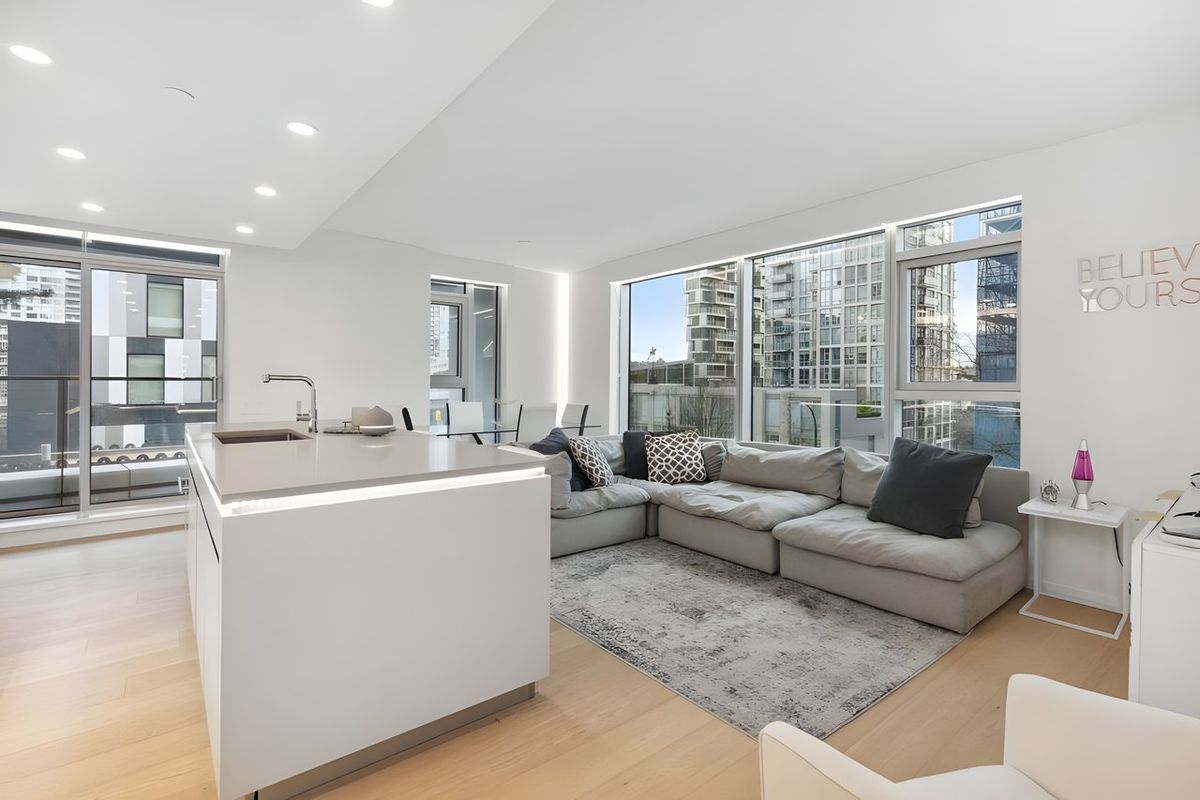
Often, yes, even when the square footage matches. Older layouts tend to give you bedrooms that hold real furniture, a primary that takes a king and two nightstands. A lot of newer layouts push the space into the open living area and the kitchen island, which photographs beautifully, and the bedrooms end up very tight. If you want a larger condo, you usually have to go older.
05What are the real downsides of an older condo?
The envelope, the plumbing and asbestos. Rainscreen walls only became the standard later, so a 1992 building wasn’t built to the same wall standard as a 2015 one. Poly-B went into buildings heavily from about 1985 to 1997, and asbestos is a pre-1990 consideration that changes what any renovation costs you.
Go deeperLeaky condos and rainscreenPoly-B and other hidden costs
 Buying?The Buyer BlueprintEvery step of buying in Vancouver and Burnaby, from financing to subject removal.Read the Buyer Blueprint →06
Which build years make the best condos in Vancouver?
In the city, the strongest band in my opinion is buildings from about 2000 to 2015. You’re past the rainscreen change and past Poly-B, and you’re built before parking, storage and bedroom sizes started getting squeezed. It’s not a hard and fast rule, and there are poorly run stratas inside that band, but that’s where I see the highest concentration of well-built, well laid out condos with sensible parking.
07What warranty comes with a brand new condo?
Like a new car, there’s a two, five and 10 year warranty, with essentially a bumper to bumper first year. Nail pops, cracking grout and doors that stop closing get addressed in that first year, and after that the protection starts to lessen and leans toward mechanical systems. Your appliances sit on their own appliance warranty, so read your policy and know how much coverage you actually have.
08Should I worry about in-suite laundry in an older building?
Yes, check it early. Plenty of buildings from the ’70s and into the ’80s don’t have it, and bylaws or plumbing can make adding it impossible. A shared laundry room in the basement hurts resale, particularly with younger buyers, and unlike a kitchen it isn’t always fixable.
09Is a nearly new resale condo better value than buying new?
It can be. Condos around that one to five year old mark can offer great value right now, because some owners who bought presale with a lot of leverage have hard decisions to make. Larger, brighter resale units often trade at a lower price per square foot than presale product, and on a brand new home there’s GST to add on top of the price as well.
Go deeperPresale condos in Vancouver
10I’m selling an older condo. What should I lead with?
Lead with the parking and the locker in the first line, not buried in the details. You never have a buyer who says they want less storage and less parking. And a two-bedroom with two stalls in a building where nobody else has two isn’t just more convenient, it’s more liquid, because you’re selling into a much bigger pool of buyers.
Go deeperPricing a home to sell