01What’s the biggest mistake condo buyers make?
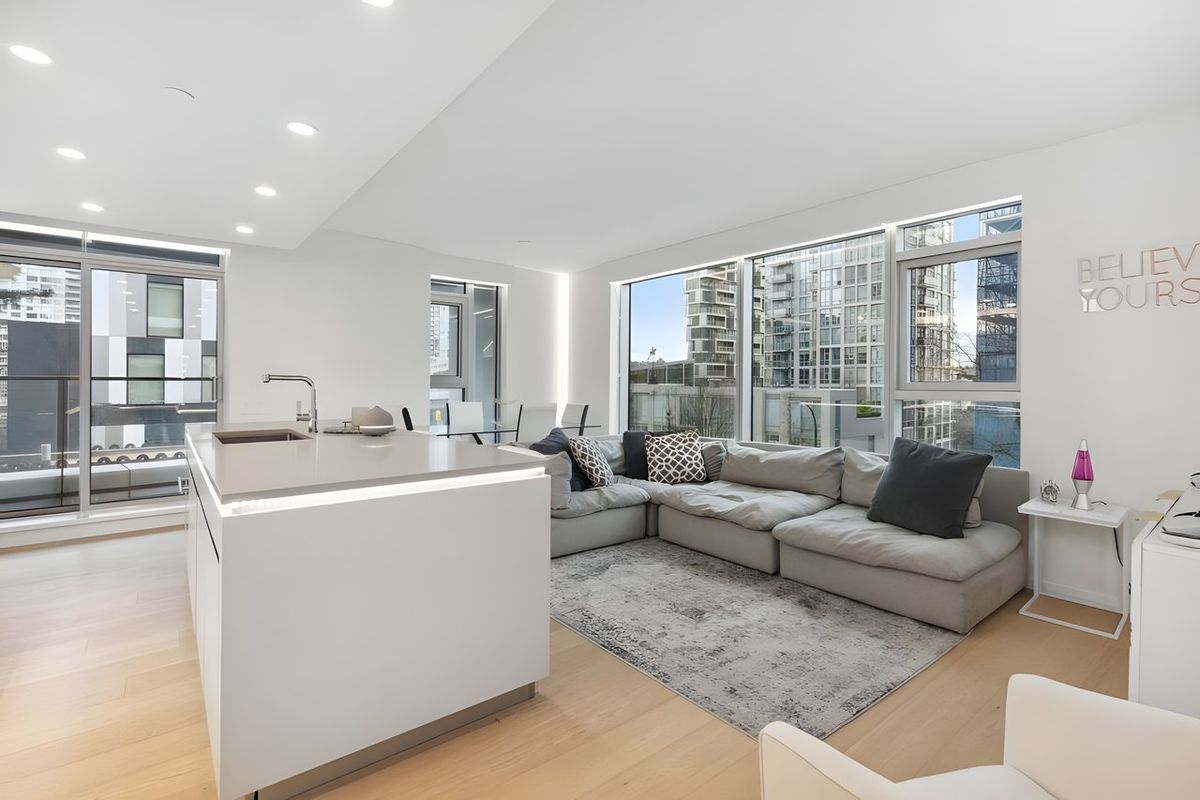
Shopping on finishes. Quartz countertops, wide plank flooring and nice bathroom tile are the cheapest things in the building and the easiest to change, and they’re exactly what gets photographed. The parking, the storage, the wall space, the room dimensions and the column in the corner can’t be changed at any price. Compare the permanent stuff first and let the finishes be the tiebreaker.
02What should I check about the parking stall?
Go down to the parkade and stand in it. Check whether it’s a standard or a small car stall, because that designation is on the plans and a small car stall can blow up a deal at inspection or kill it on resale. Look at whether pipes or an HVAC unit hang over it, how far it is from the elevator, whether two stalls are side by side, and whether the building has visitor parking at all.
03How do I make sure the storage locker is really mine?
Find the locker and physically put your hands on it. Confirm it exists, confirm which one it is, and confirm it’s assigned to your unit rather than rented from another owner, because those are very different things and one of them can be taken away. Units without a locker are less attractive to buyers than listings that offer both parking and storage.
04How do I judge the light and the view?
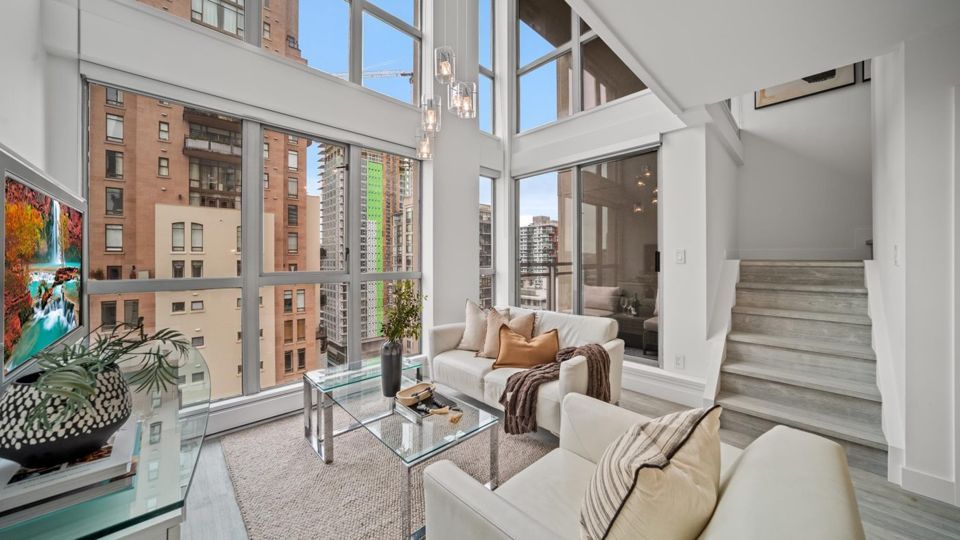
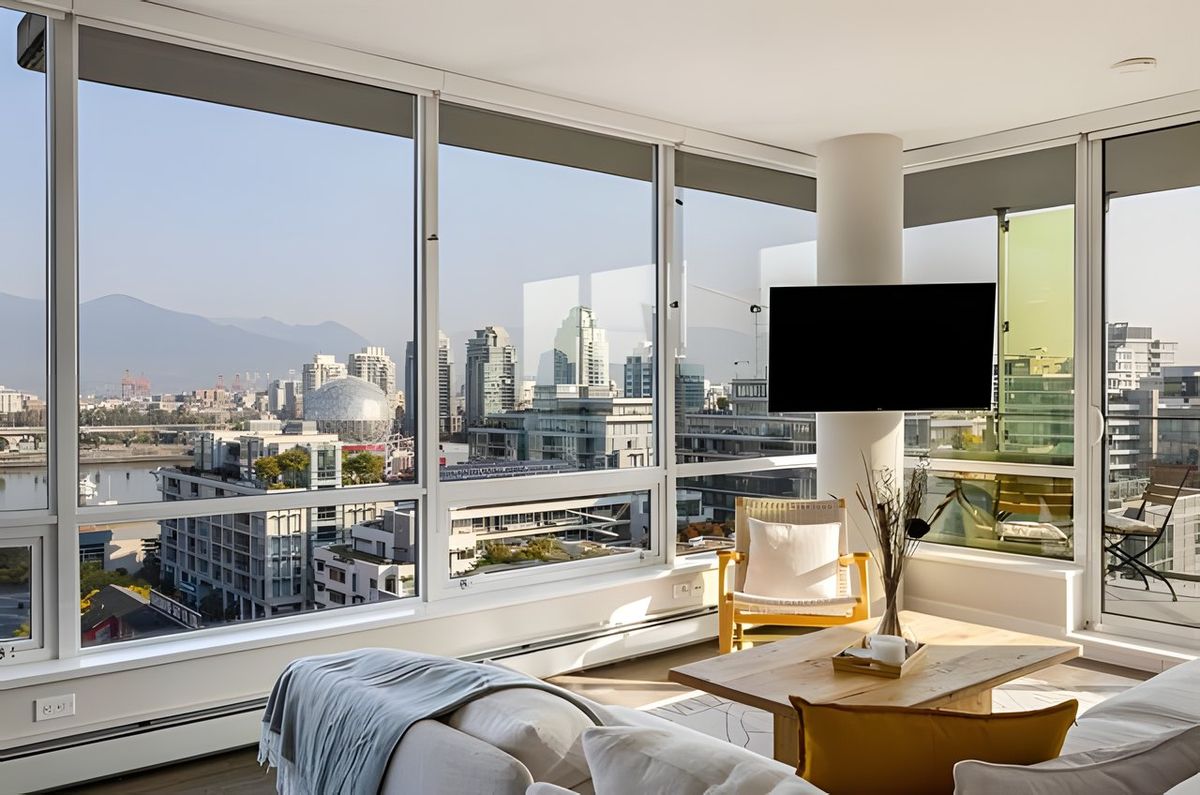
Look at the unit on a rainy day, because that’s the worst it’s going to be, and it’s about dark eight months of the year here. A north exposure can get you mountain views but a very dark unit. Watch for power lines across an alley view, because buyers will not overlook them, and find out what’s being built around you so you don’t lose the view you paid for.
05Is a concrete building better than wood frame?
For me, yes, and I’ve always bought concrete. Wood frame is cheaper on entry, but in this climate water intrusion is the biggest enemy and with wood frame that risk never fully goes away, so I wouldn’t consider one that hasn’t been rainscreened. Concrete usually gives you an 8 inch slab between you and your neighbours, so it’s quieter, better insulated and has more predictable maintenance.
Go deeperLeaky condos and rainscreen
 FreeThe Red Flag ReportEverything I look for before a client buys, for a condo, townhouse, duplex or detached home.Get the Red Flag Report →06
Should I buy in a big tower or a smaller building?
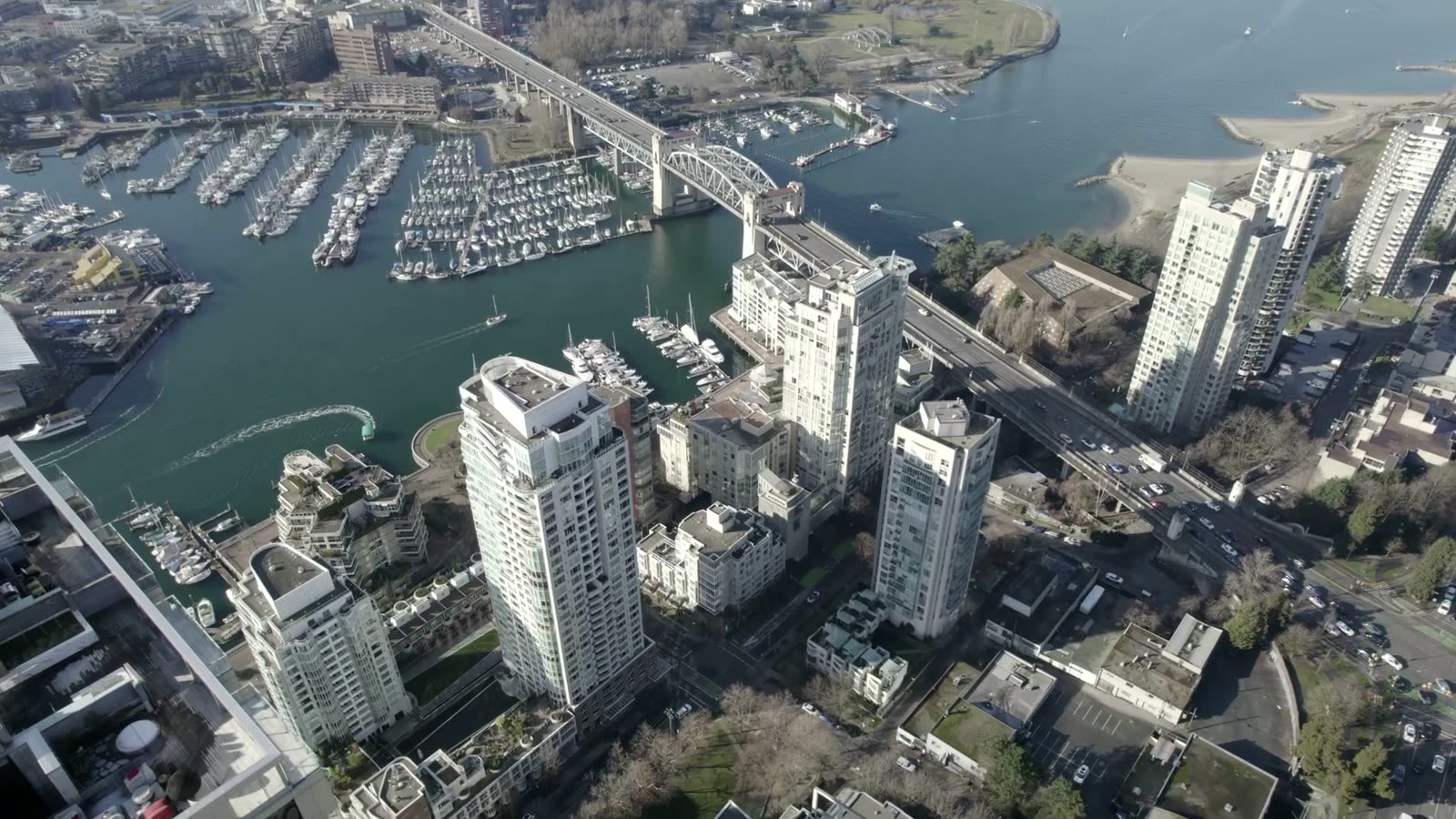
I strongly prefer mid-rise boutique buildings. They tend to have higher owner occupancy and stronger strata councils, and when you sell or rent in a big tower you’re usually competing against several identical units at once. Check the elevators too: I like two elevator lobbies, because a building of 20 plus storeys with only two elevators is something you feel every single day.
07How do I spot an investor-heavy building?
Ask the listing agent directly what percentage of the building is owner occupied, because the Form B won’t always tell you clearly. Below about 60% owner occupied, I’d treat it as investor heavy and expect a tougher resale market. Then look at the layouts: a building dominated by small one-bedrooms and studios was built for the rental market, and your future buyers will be the same investors.
08Do pet bylaws really matter if I don’t have a pet?
Yes, because they shrink your buyer pool when you sell. Most people here have a cat or a dog or both, and as a landlord myself, almost all of our rental applicants have pets. Read the bylaws closely, because some buildings limit breeds, size or the number of pets, and remember you have to follow the bylaws once you’re in, since fines and judgments can escalate.
Go deeperReading strata documents
09What strata water deductible is too high?
My rule of thumb is a top end of about $250,000. If your unit floods, whether it’s your fault or not, there’s a deductible on the strata policy before insurance pays, and past $250,000 your own coverage gets much harder and more expensive to find. Big towers with lots of turnover often carry very high water deductibles, so check yours with an insurer during your due diligence.