Burnaby vs Vancouver: The 2026 Commuter Math That's Changing Buyer Decisions

Kyle Mark *PREC
· 3 min read
The quick take
Is Burnaby better value than Vancouver in 2026? For most downtown commuters, yes. It's where Vancouver buyers get more house and the same commute, but Metrotown and Brentwood have closed much of the gap with Vancouver's East Side, so the best value depends on the submarket.
For buyers priced out of Vancouver proper, Burnaby is the obvious next step. But "obvious" has become "obvious and crowded" — Burnaby's price per square foot has climbed significantly as more Vancouver buyers arrive. The 2026 question isn't whether Burnaby is cheaper. It's whether the gap has narrowed enough that the value proposition has changed.
How big is the price gap between Burnaby and Vancouver?
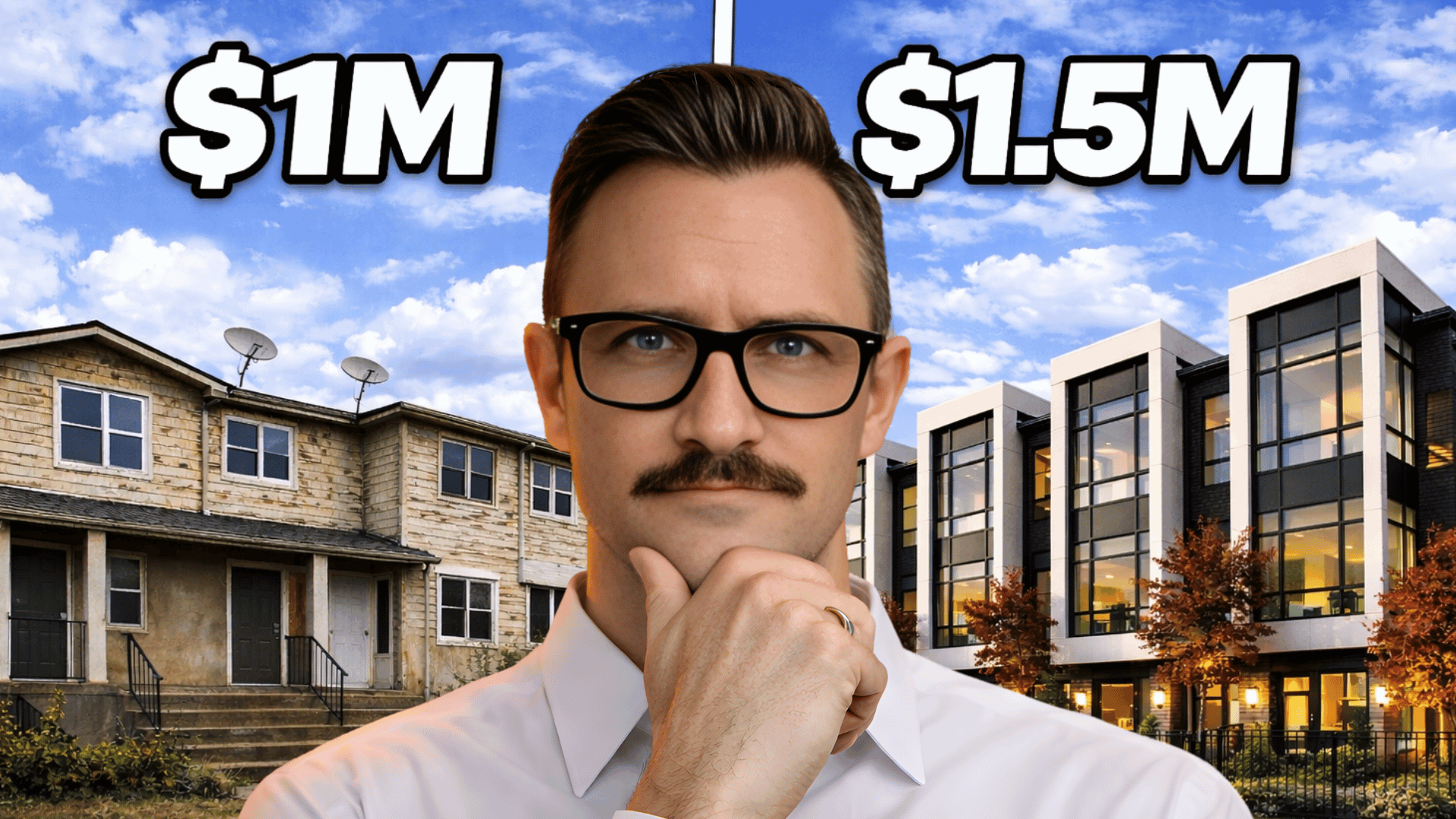
Burnaby costs less per square foot than the City of Vancouver for condos and for detached homes, and townhouses show the tightest gap. Current numbers for both cities are in the Kyle Mark Report, free with an account.
But the city-wide numbers mask submarket reality. Metrotown and Brentwood condo pricing has closed in on Vancouver's East Side. South Burnaby (Edmonds, Burnaby South) still shows a clear discount on comparable product.
How long is the commute from Burnaby to downtown Vancouver?
Brentwood: SkyTrain to Downtown Vancouver in 18 minutes. 9-minute drive to Metrotown. 25 minutes to YVR. One of the best transit-access submarkets in Metro Vancouver.
Metrotown: 22 minutes SkyTrain to Downtown. Largest mall in BC at the centre. Multiple bus routes and the West Coast Express connection via Waterfront.
Edmonds and Burnaby South: 28-35 minutes SkyTrain to Downtown. Less dense amenity but significantly more space and better price-per-square-foot. Commuter corridor with strong SkyTrain access.
Lougheed/Burquitlam: 25-30 minutes SkyTrain to Downtown. Lower pricing than Metrotown/Brentwood but access to SFU and major commercial centres.
For buyers commuting to Vancouver's downtown core, Brentwood and Metrotown deliver a commute that's genuinely comparable to East Vancouver commute times — at meaningfully lower price-per-square-foot.
The Amenity Math
Burnaby amenities have transformed in the last decade. Metropolis at Metrotown is now the largest mall in BC. Brentwood has become a restaurant destination. SFU and BCIT anchor significant cultural and academic activity. Burnaby parks (Central Park, Deer Lake Park) offer more green space than most City of Vancouver neighbourhoods.
What Burnaby lacks compared to Vancouver: walkable retail density outside of Metrotown/Brentwood cores, beach access (no meaningful lakes or oceanfront within city boundaries), and the concentrated food-and-culture scene of Vancouver's East and West Sides.
Where Burnaby Wins
Townhouses in central Burnaby neighbourhoods offer real 3-bedroom family housing at a price-per-square-foot where Vancouver equivalents either don't exist or cost a good deal more.
Larger condo units (2-bed plus den, 3-bed) in Metrotown and Brentwood towers built 2015-2020 provide square footage that would cost more in comparable Vancouver locations.
Detached homes in Edmonds, Burnaby South, and Capitol Hill deliver detached housing with meaningful yards at a price point increasingly rare in the City of Vancouver.
Where Vancouver Still Wins
Walkable urban living (Kitsilano, Mount Pleasant, Commercial Drive, Main Street) has no direct Burnaby equivalent. Beach and ocean proximity. Specific school catchments (West Side particularly). Restaurant and cultural density. If those are top-three priorities, the Burnaby discount may not justify the lifestyle trade. Our buyer page covers how I'd weigh it with you, and I've also written about why some Burnaby moves bring regret.
Risk Flag
Not all Burnaby submarkets are appreciating equally. South Burnaby, while offering the deepest discount versus Vancouver, has also shown slower appreciation over the last 5 years compared to Brentwood and Metrotown. If appreciation potential matters as much as current value, weight transit-oriented submarkets with strong amenity development over pure discount plays.
Ready to make your move in Vancouver's market?
Whether you're buying, selling, or just want to understand what's happening — I'm here to help.
📞 Book a 30-Minute Strategy Call
🏠 Search Properties
🎥 Subscribe on YouTube
Kyle Mark, REALTOR® | eXp Realty | Vancouver Real Estate Expert
Didn't subscribe yet?
One click and every weekly Vancouver market breakdown lands in your YouTube feed.
▶ Subscribe to Kyle Mark on YouTubeMore questions about Burnaby vs Vancouver
Is the Burnaby-Vancouver price gap closing?
Yes, particularly in Metrotown and Brentwood, which have closed in on Vancouver's East Side. Edmonds and Burnaby South still show a clearer discount.
Are Burnaby schools good?
Burnaby schools are generally well-regarded, with specific catchments (Burnaby North, Burnaby Mountain Secondary) particularly strong. Check catchment rankings for specific properties.