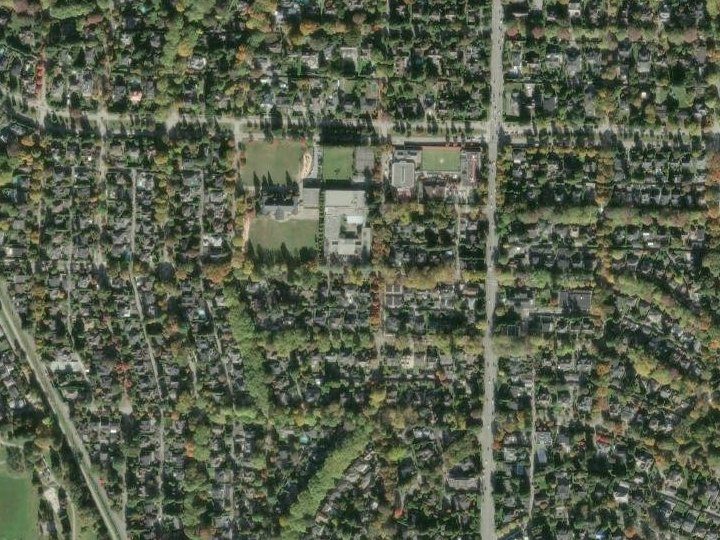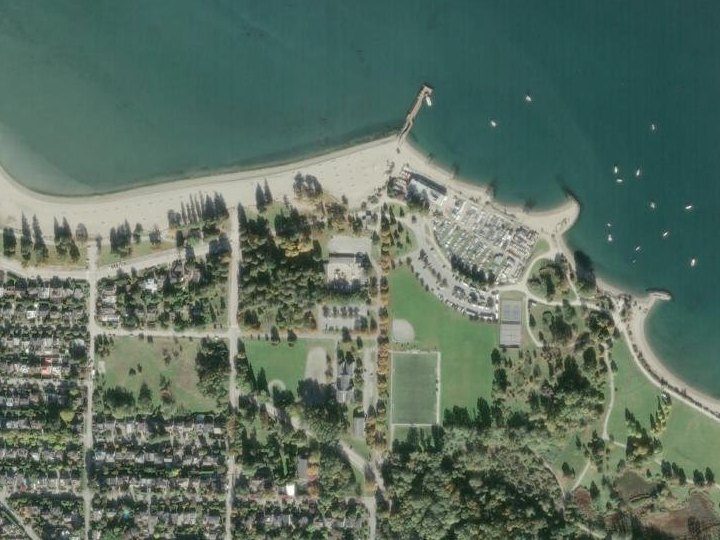

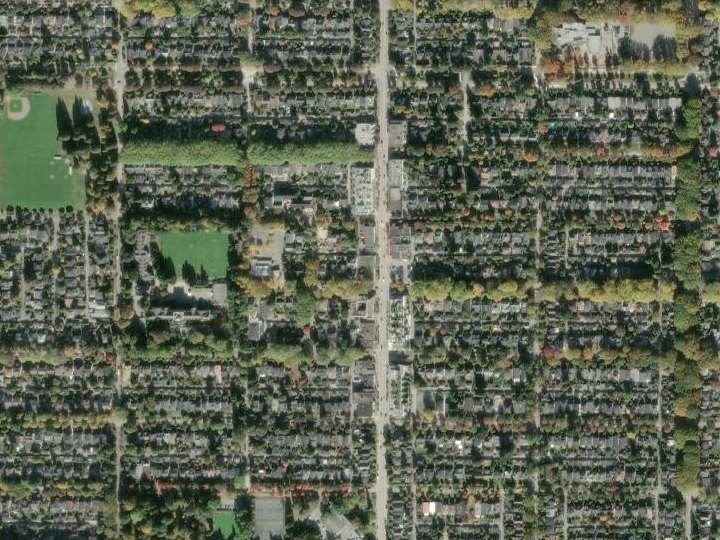
Aerial view of detached homes in Dunbar, Vancouver

Ask Kyle Detached homes

Buying a detached home in Vancouver

On a detached home you’re spending millions, and the house can be beautiful while the land or the paperwork works against you. This is the list I run before a client writes an offer.

9 answers from 6 of my videos

Is a detached home still the best long-term buy?

When I talked about it in February 2026, I still thought detached was the best segment if you can afford it, for long-term growth and asset management. Homes are being pulled down for multiplexes all the time, dirt in Vancouver is a rare commodity, and a detached lot gives you the option of selling to a builder one day.

What if the house I love has no suite?

Make sure the lot can take one. Check the basement ceiling height, whether there’s room for a separate entrance, and whether the lot is wide enough with lane access for a laneway house, then build the cost of adding that income into your offer. A detached home that can never produce a dollar of income is a lifestyle purchase priced like an investment, and you want to know that going in.

How do I check the permits before I make an offer?

Pull the permit history from the City of Vancouver or your municipality and compare it to what the listing is selling you. If the listing says five bedrooms and a suite and the permits show a three-bedroom house, that’s a real conversation, and unpermitted work is always a reason to renegotiate. You can inherit the problem too: if a past owner built a deck without a permit, the city can make you fix it before it issues your permit for something like a heat pump.

What kind of lot should I look for?

The house may be beautiful, but the land is what people really care about. I want something as close to a typical lot as possible, at least a 33 foot frontage, and as square as possible, because irregular lots and small frontages waste space and kill future development potential. In this market, try not to buy a property with a question mark.

FreeThe Red Flag ReportEverything I look for before a client buys, for a condo, townhouse, duplex or detached home.Get the Red Flag Report →

Are busy roads, power lines or steep driveways deal breakers?

They cost you at resale. A corner lot on a busy road brings noise and traffic that only grows, big power infrastructure in the view quietly drains value, and a steep driveway puts off families and seniors. If you can genuinely live with one of those, it can be your deal: find the flaw you can live with that most people can’t, and plan to own it longer.

What is a peat bog, and why does it matter?

It’s ground made of decaying plant material, and several parts of East and South Vancouver sit on former bogs. It settles unevenly, which shows up as sagging homes, cracked masonry and sidewalks that heave, and building on it can mean deep piles down to stable ground. Check the City of Vancouver’s peat map, and on a showing watch for sticking doors and sloping floors. I sometimes carry a marble to roll on the floor.

Can an older house be hard to insure?

It can. Very old electrical like knob and tube wiring can stop some insurers from writing a policy until it’s replaced, and so can an oil tank. Confirm the home is insurable before you remove your subjects, because a home you can’t insure is a home you can’t finance.

What layout holds its value over the next decade?

One that works for a young family now and a downsizing couple in 10 years. Downsizers want a primary bedroom on the main floor, and multi-generational living is becoming normal here, so a home with every bedroom upstairs and a chopped-up main floor gets walked past. Even a main floor flex room that could become a bedroom keeps you in front of the biggest buyer pool.

Keep going

Kyle Mark on a Vancouver balcony, on camera

Didn’t see yours?

Ask me yourself.

If your question is about your own home or your own contract, the honest answer depends on the paperwork. Bring it to me and I’ll tell you what I see.