Beat the Heat: Cooling Strategies for Vancouver Home Sellers in Urban Areas

Kyle Mark *PREC
· 3 min read
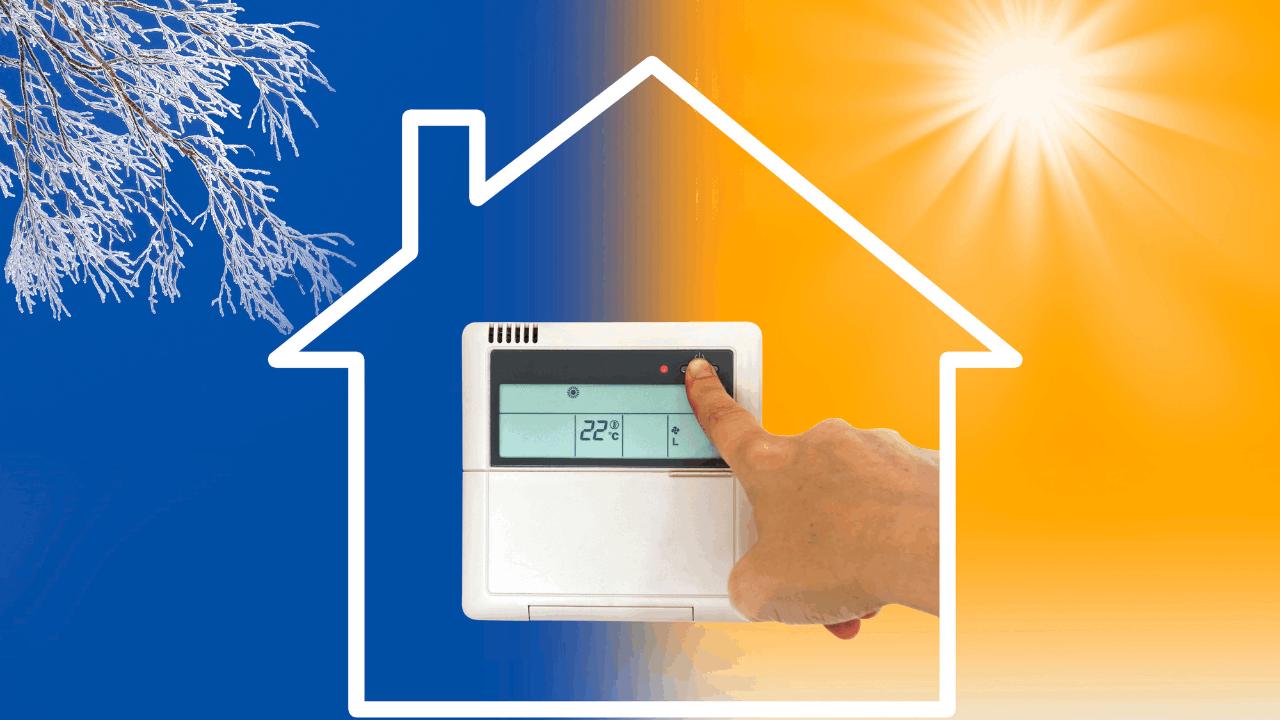
To sell a Vancouver home in the summer heat, keep it cool and show buyers how you do it. Open windows for cross ventilation at cooler showing times, shade the glass, add air conditioning or a smart thermostat if you can, and point out nearby parks and pools. Before you spend on upgrades, run the seller net sheet, and if you're selling in the wet months instead, read my rainy season tips.
What is the urban heat island effect in Vancouver?
Urban areas in Vancouver can experience significantly higher temperatures than their suburban counterparts, a phenomenon known as the "urban heat island" effect. This can make urban homes particularly challenging to sell during the heat of summer. Reflective rooftops, minimal tree cover, and dense buildings contribute to this effect, making innovative cooling strategies a crucial selling point.
What cooling strategies help a home sell?
Maximize Natural Ventilation:
- Cross Ventilation: Ensure that windows and doors can create a natural airflow when open, helping to cool down the home naturally. Arrange showings during cooler parts of the day when windows can be left open to demonstrate this effect.
- Strategic Window Coverings: Invest in high-quality blinds or curtains that block out heat without darkening the space. Show potential buyers how these features can be both practical and stylish.
Upgrade to Energy-Efficient Cooling Systems:
- Air Conditioning: If the property doesn’t already have air conditioning, consider installing a central system or attractive and efficient units. Modern buyers often view air conditioning not just as a luxury, but as a necessity.
- Smart Home Features: Incorporate smart thermostats that allow for temperature control via smartphone apps. This not only adds a cooling feature but also modernizes the home’s appeal.
Enhance Exterior Cooling Features:
- Green Roofing or Roof Gardens: These can dramatically reduce heat absorption, a feature that's especially appealing in urban environments. If a green roof isn’t feasible, consider lighter roof materials that reflect rather than absorb heat.
- Awnings and Overhangs: These additions can shade windows from direct sunlight, reducing internal temperatures and adding to the home’s aesthetic.
Leverage Indoor Plants:
- Natural Coolants: During showings, display how indoor plants can improve indoor air quality and keep the air cool and fresh. Choose species that thrive indoors and require minimal maintenance.
Highlight Nearby Amenities:
- Proximity to Public Pools or Parks: Sometimes the best cooling strategy is just a short walk away. Make sure to highlight how close the property is to public amenities like pools, water parks, or shaded parks.
How do you market a cool home in summer?
When listing the property, emphasize these cooling strategies in your marketing materials. The seller page covers how I market a home. Use high-quality photos and descriptions to showcase:
- Cool, airy interiors and any high-tech cooling systems.
- Shaded patios or gardens that offer an escape from the urban heat.
- The lifestyle that your cooling strategies enable, promoting not just a house, but a comfortable urban oasis.
Can you sell a Vancouver home in a heat wave?
Selling a home in Vancouver’s urban areas during the summer doesn’t have to be a sweat. With the right strategies, you can transform your property into a cool haven that stands out in the hot market. Show potential buyers that despite the urban heat, your home remains a cool, calm, and collected choice.
How do you keep your house cool in extreme heat?
To keep your house cool in extreme heat, use blackout curtains, install efficient cooling systems like air conditioning, and utilize fans to circulate air.
How cool should my house be if it's 100 outside?
If it's 100 degrees outside, the indoor temperature should be set to a comfortable and safe level, typically around 78 degrees Fahrenheit, to balance comfort with energy efficiency.
What is a community cooling center?
A community cooling center is a public space where people can go to find relief from extreme heat, often provided with air conditioning, water, and rest areas.
Looking for advice that's as real as it gets in Vancouver? Trust Kyle Mark for your property and lifestyle needs. With hands-on local experience and a straight-shooting approach, your Vancouver journey is in expert hands. For more tips and inspiration, check out my YouTube channel here. And if you're getting ready to sell, let's connect. Book a time with me right here, and let's build the plan around your home.