How to Buy Smart in Vancouver in 2026

Kyle Mark *PREC
· 5 min read

To buy smart in Vancouver in 2026, get pre-approved, target value over flash, and use the leverage this market hands you.
You’ve heard the headlines, “prices down,” “market softening,” “buyers finally have leverage.” That’s surface noise. The real play is in the data and the strategy underneath it. If you don’t know how to read the market right now, you’re going to pay way more than you need to.
Let’s cut the noise and get tactical.
✅ THE 2026 MARKET ISN’T NORMAL, IT’S YOUR ADVANTAGE
Vancouver’s inventory is seriously elevated vs the last decade. Buyers have options. Actual negotiating power. That’s rare. You don’t want “just any home.” You want the right deal, and that comes from strategy, not luck.
Short list of what’s actually happening:
Inventory up (that’s leverage).
Sales softening (meaning sellers are motivated).
Prices easing in many segments.
This isn’t fear, it’s opportunity. You can walk into Vancouver real estate right now and tilt the odds in your favor.
✂️ WHICH VANCOUVER HOMES SHOULD YOU AVOID?
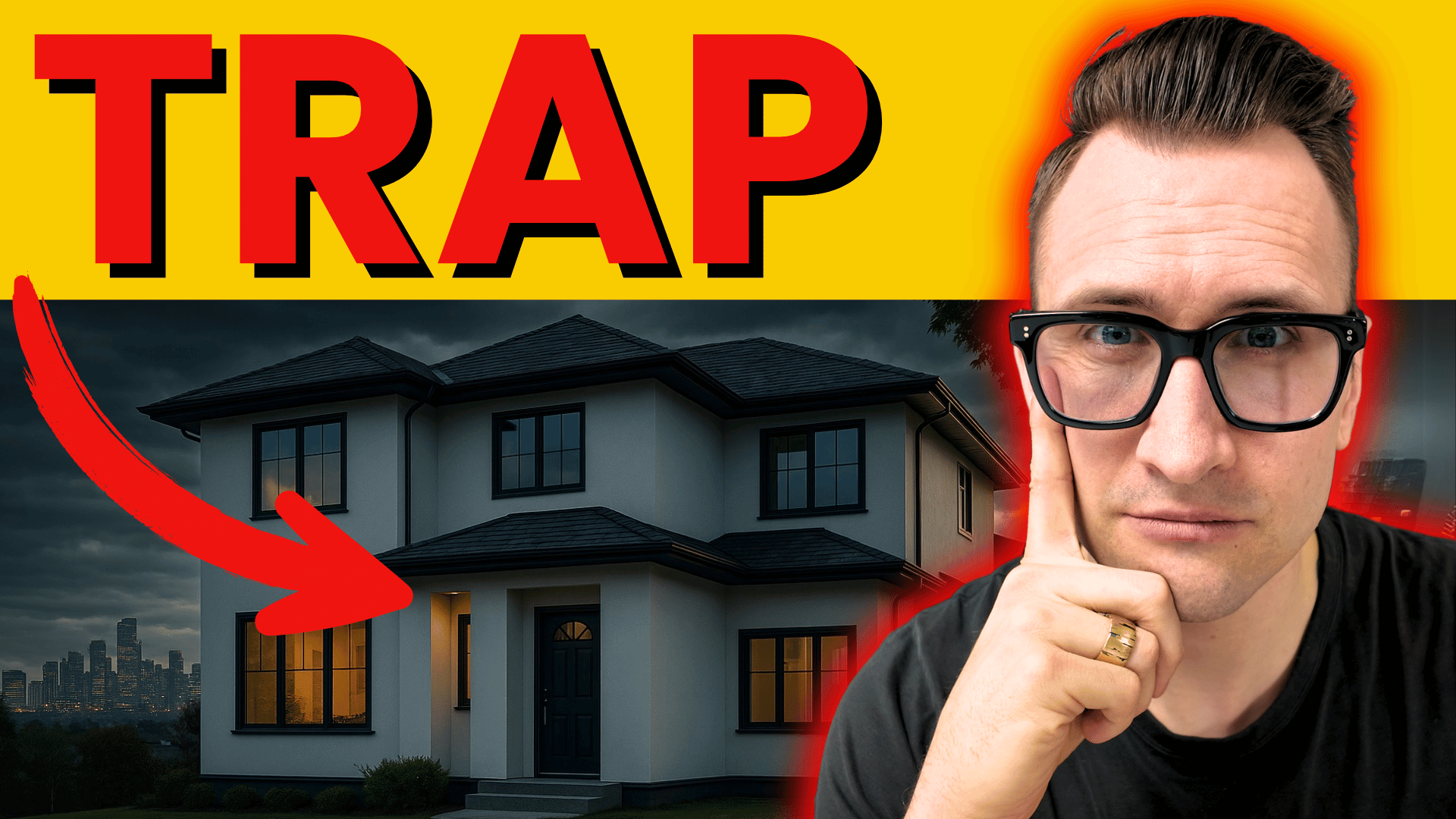
Not all properties are created equal. A cheap listing that looks like “a deal” could be a trap (bad layout, future maintenance nightmare, rezoning issues, structural red flags). That’s where my construction background kicks in, because I see what most agents don’t.
Here’s what I’m telling my clients right now:
🧠 TARGET VALUE, NOT FLASHY
Cheap price ≠ good value.
Good structure + rental potential? Yes.
🔥 SKIP THE CONDO “STEALS” THAT AREN’T
A condo selling for cheap can be cheap for a reason. Common element fees, roofs needing replacement, serious maintenance backlog, all deal killers unless you know what to inspect. My breakdown of Vancouver condo traps covers what to screen out.
💡 GET PRE-APPROVED AND CONDENSE YOUR SEARCH
In this market, the slow buyer gets overlooked, even when sellers are motivated. Run your budget on the mortgage calculator first.
A pre-approval costs you nothing but your time, and shopping before you have one wastes everybody’s. Those generic online mortgage approvals usually come in much higher than what you can actually afford. A real one tells you whether you’re shopping for a condo or a townhouse, lets you budget month to month, and locks in a rate for 90 to 120 days depending on the lender. If yours is 6 months old and rates have moved, you likely can’t afford what you thought you could. I also like sending the pre-approval letter with my offers. It shows sellers we’ve done the work, and that helps on the negotiating side.
🧾 WHY SHOULD BUYING FEEL BORING?
Buyer confidence is fragile right now, and I get why. Nobody wants to feel like they’re catching a falling knife. Fear is also the worst decision-making tool you can bring to one of the largest purchases of your life. Buying a home is supposed to be systematic and controlled, and when you follow the process step by step it becomes very boring. Boring is exactly what you want when hundreds of thousands of dollars are on the line. I run every client through the same 17 steps, and these are the ones that save people the most money.
Interview at least 3 agents. Everybody runs their business differently and brings different life experience. Using a friend or family member because you feel pressured can go south quickly and ruin the relationship. I spent 11 years in construction, so when I walk into a home I know how it was built and what to look for.
Do the wish list work before the tours. Do you need rental income? How long will you live there? Do you plan to retire there? Good questions mean you only tour homes you could see yourself offering on. Most of my recent buyers found their home on the first weekend. I keep tours to 3 or 4 homes a day, because past that you forget what you just saw.
Watch what you say inside the home. A lot of homes have cameras and recording devices. Save your excitement for the sidewalk or the car, so you don’t hand the other side ammunition before negotiations start.
Have your deposit liquid. The standard is 5%, so $50,000 on a $1 million purchase, usually due within one business day of removing subjects. Check whether your money is locked in a term deposit, and ask your broker what they’ll need if your parents are contributing. That deposit stays in trust at your agent’s brokerage. Never write the cheque out to the seller.
📣 HOW DO YOU BUY SMART IN VANCOUVER IN 2026?
Stop scrolling listing sites without a plan.
Here’s the strategy that works right now:
✔ Get a pre-approval that’s battle-ready, not “seat-of-the-pants.”
✔ Know your priority list, not just price range, but neighbourhood leverage and upside.
✔ Be ready to negotiate hard, because sellers are listening.
✔ Work with someone who sees structure, value traps, and hidden opportunity.
If you just blindly make offers, you’re giving up leverage. You need a framework. The buyer page lays mine out.
🔎 WHAT DUE DILIGENCE SHOULD YOU NEVER SKIP?
You’ll usually have around 10 days after an accepted offer. Going much longer makes sellers nervous that you’ll fall out of the deal, so keep it tight and use every day of it.
Inspection, even on a brand new home. We had one done on my own new build and it got us a $30,000 credit for something we’d never have found otherwise. On a condo, your inspector should be looking at the parkade, the roof and the hallways, because you’re buying into the whole building.
Title search. Check for liens, litigation, mortgages and easements, and take anything unusual to a lawyer. Reading those is outside a REALTOR®’s scope.
Water deductible on strata insurance. Insurance is a mess right now. If that deductible goes past $250,000, covering yourself becomes difficult and expensive.
The strata documents. An older or larger building can hand you 300 to 500 pages. Your agent goes through them with you, but you need to read them too, because it’s your property.
Even after you remove subjects, BC buyers have 3 business days to rescind, with a penalty of 0.25% of the purchase price. On closing, plan on 60 to 90 days as a normal completion window, and start your home insurance on the completion date, not the day you get the keys. Paying a little more for a lawyer over a notary is cheap insurance on a purchase this size, because a notary can’t give you legal advice if something goes sideways.
📞 WANT A REAL STRATEGY, NOT THEORY?
I don’t do fairy tales. I do data, positioning, leverage, and results.
Right now, the smart play isn’t waiting… it’s planning and executing.
📞 Book your 30-minute strategy call now
Let’s map your playbook before someone else takes your deal.