Vancouver and the Peat Bogs: Properties on Vancouver’s Peat Bog

Kyle Mark *PREC
· 3 min read
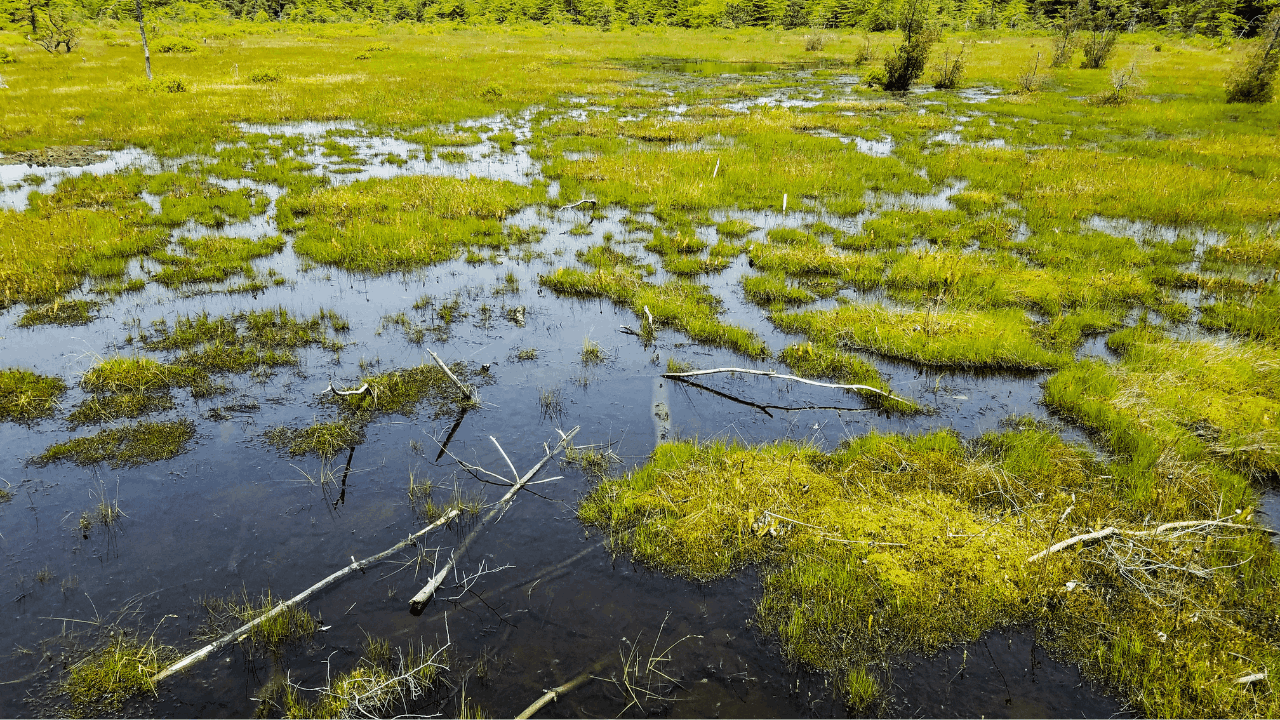
Building on a peat bog means dealing with soft, compressible, water-logged ground, and that can destabilize foundations and bring dampness into the home unless it's engineered with pilings or a raft foundation and serious drainage. If you're looking at a property on peat in Vancouver, the foundation and the moisture plan are the first two things to check.
Nestled amidst Vancouver's modern skyline and scenic natural beauty lies a less talked about but equally fascinating feature: peat bogs. These are not just relics of a bygone era; they are living, breathing ecosystems that have shaped the land for thousands of years. Peat bogs, with their spongy, water-logged soil, hold the stories of the past, capturing carbon and supporting unique biodiversity.
What's it like to own a property on a peat bog?
Living on a peat bog in Vancouver is akin to dwelling on a piece of the city’s primal history. It’s an experience that blends the allure of connecting with ancient natural landscapes with the modern-day challenges of urban living.
The Charm: Properties on peat bogs offer a unique connection to nature, with landscapes that are lush, rich, and teeming with life. This connection fosters a sense of living in harmony with Vancouver's ecological heritage, offering a lush retreat from the urban hustle.
The Challenge: However, building on peat presents its set of challenges. Peat's soft, compressible nature can lead to ground instability, affecting foundations and necessitating specialized construction techniques. The moisture-rich environment also poses risks of dampness, requiring careful property maintenance and management.
How do you build a home on peat?
Constructing homes on peat bogs demands a dance between engineering ingenuity and environmental stewardship. It involves:
Innovative Foundation Solutions: Techniques such as pilings or raft foundations are often employed to ensure stability and mitigate the risks associated with peat’s compressible nature.
Moisture Management: Effective drainage systems and moisture barriers are crucial in protecting properties from the inherent dampness of peat soils, preserving the integrity of homes and the comfort of inhabitants. The Vancouver Red Flag Report covers what else to check before you write an offer, and my Buyer Blueprint shows where it fits in the process.
Environmental Consideration: Balancing development with conservation is key. Sustainable building practices that minimize disruption and preserve the ecological functions of peat bogs are essential for the long-term health of these areas.
Living with Nature: The Peat Bog Community
Residents of Vancouver’s peat bog areas are part of a unique community, one that lives in close communion with an ancient natural landscape. This relationship comes with a responsibility to understand and respect the peat bog, embracing sustainable living practices that ensure these ecosystems continue to thrive alongside urban development.
A Call to Action: Protecting Our Peat Bogs
As we delve into the world of properties on Vancouver's peat bogs, it becomes clear that these areas are not just plots of land but vital parts of the city’s ecological network. Protecting them is not just about preserving history; it's about ensuring the future of Vancouver's natural heritage. Selling a home on peat instead? Read what every Vancouver home seller should know.
Where are the peat bogs in Canada?
Peat bogs in Canada are extensively found across the northern regions, with significant concentrations in the provinces of Alberta, Manitoba, Ontario, and Quebec.
Why are peat bogs so important to the environment?
Peat bogs play a crucial environmental role by storing large amounts of carbon, supporting biodiversity, and acting as natural water filtration systems.
What are some characteristics of a bog area?
Bog areas are characterized by spongy peat deposits, acidic waters, and a floor dominated by a carpet of sphagnum moss, heathers, and sedges, often forming in cooler climates.
Share Your Peat Bog Stories
Do you have experiences or stories about living on or near Vancouver's peat bogs? Perhaps insights into the challenges and joys of building and maintaining a home in these unique landscapes? Share your thoughts and stories below. Let's celebrate the rich tapestry of life that thrives in Vancouver’s peat bogs and work together to preserve these remarkable ecosystems for generations to come.
Looking for advice that's as real as it gets in Vancouver? Trust Kyle Mark for your property and lifestyle needs. With hands-on local experience and a straight-shooting approach, your Vancouver journey is in expert hands. For more tips and inspiration, check out my YouTube channel here. And if you're looking for personalized advice on peat bog properties, let's connect. Book a time with me right here, and let's talk through your next move.