Vancouver - What is Rain Screening and Why Are Rain Screened Buildings Important?

Kyle Mark *PREC
· 3 min read
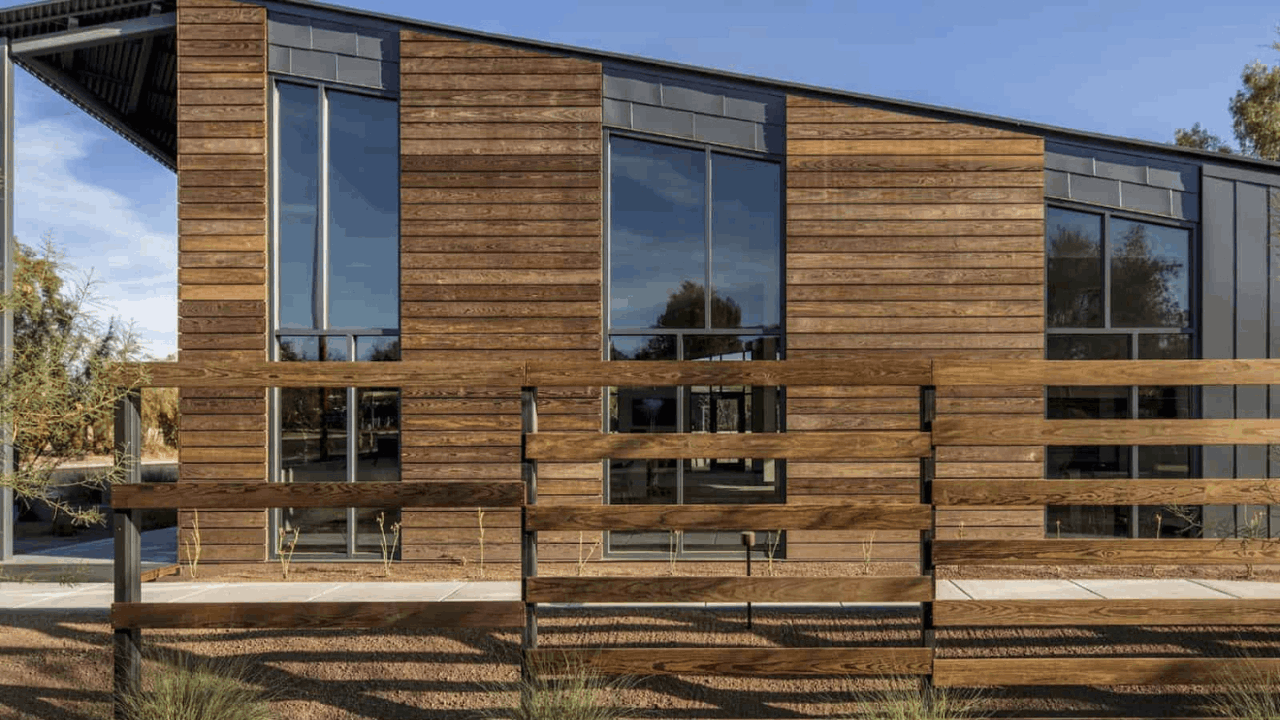
Rain screening is a construction technique that leaves a gap between a building's exterior cladding and its weather-resistant barrier, letting water drain away and the wall dry out. It matters in Vancouver because our climate rots walls that can't dry, and the Leaky Condo Crisis of the 1980s and 1990s proved it with massive repair costs. If you're buying or selling a condo here, it's one of the first things to ask about.
In Vancouver, where the rain paints the city in shades of grey and green nearly half the year, our buildings have learned to dance gracefully with the downpour. This dance, however, is not just about aesthetics; it's about survival and resilience. Enter the stage: rain screening, a method not just preferred but essential in protecting Vancouver homes from the relentless rain. Let's peel back the layers of this unsung hero of urban architecture.
What is rain screening?
Rain screening is akin to giving a building its umbrella and raincoat, but far more sophisticated. It's a construction technique designed to prevent rainwater from infiltrating the walls. Instead of battling moisture after it's entered, rain screening stops water at the building's exterior, creating a breathable barrier that allows walls to dry and thus, prevents moisture buildup and the myriad issues it brings.
Why does Vancouver need rain screening?
Why does Vancouver, in particular, lean so heavily into rain screening? The answer lies in the city's maritime climate, which brings with it not just rain, but a pervasive dampness that can seep into buildings, causing mold, rot, and structural damage over time. For a city that prides itself on its stunning natural beauty and robust urban living, maintaining the integrity of its buildings is non-negotiable.
What are the benefits of a rain screened building?
Mold and Rot Prevention: By keeping moisture out, rain screening helps prevent the growth of mold and rot within the walls, ensuring a healthier living environment.
Structural Integrity: Moisture is a notorious enemy of structural materials. Rain screened buildings maintain their strength and integrity longer than those without this protection.
Energy Efficiency: Interestingly, rain screened buildings often boast better insulation and ventilation, contributing to more energy-efficient homes that are easier to heat and cool.
Why did Vancouver start requiring rain screening?
The introduction of rain screening in Vancouver's building code wasn't just a regulatory whim; it was a response to a pressing need. The infamous "Leaky Condo Crisis" of the 1980s and 1990s, where improper sealing and water damage led to massive repair costs, underscored the importance of preemptive moisture protection. Today, rain screening is not just common; it's expected, a testament to Vancouver's commitment to building homes designed to last amid its lush, wet environment. Buying into an older building? The Vancouver Red Flag Report walks through what to check, and my wood frame vs concrete guide covers the other half of the decision. Selling one? Read the rain screen system from a seller's side.
Rain Screened Buildings: A Vancouver Staple
As we walk through Vancouver's rain-kissed streets, the buildings around us stand not just as shelters, but as symbols of a city that has adapted ingeniously to its climate. Rain screened buildings are a testament to Vancouver's forward-thinking approach to urban development, blending the functional with the environmental, ensuring that the city remains a vibrant, healthy place to live, regardless of the weather.
How does a rain screen work?
Rain screening is an architectural feature that involves creating a gap between the exterior cladding and weather-resistant barrier, allowing for drainage and evaporation to protect building envelopes from moisture damage.
How much does a rain screen cost in Vancouver?
The cost of rainscreen installation in Vancouver varies widely, depending on the size and design of the building, but it is considered a necessary investment to safeguard against the city's high precipitation levels.
Your Thoughts?
Have you experienced living in a rain screened building in Vancouver, or are you curious about how this technology impacts urban living? Share your stories, questions, or insights in the comments below. Let's continue the conversation about how Vancouver stays dry, comfortable, and stylish, even as the rain falls.
Looking for advice that's as real as it gets in Vancouver? Trust Kyle Mark for your property and lifestyle needs. With hands-on local experience and a straight-shooting approach, your Vancouver journey is in expert hands. For more tips and inspiration, check out my YouTube channel here. And if you're looking for personalized advice on rain screened buildings, let's connect. Book a time with me right here, and let's talk through your next move.